

Switzerland is one of the most attractive countries in Europe for job seekers due to its high salaries, strong economy, and excellent working conditions. For many Africans looking to work abroad, the idea of securing even an unskilled job in Switzerland can be life-changing. Not only do these jobs offer financial stability, but they also provide international work experience and exposure to a developed economy.
However, it is important to understand that Switzerland has strict immigration policies, especially for non-EU citizens. Despite this, opportunities still exist in certain sectors where there is a shortage of labor.
In this comprehensive guide, you will learn everything you need to know about unskilled jobs in Switzerland, including the top sectors, expected salaries, and the visa process. By the end, you will have a clear roadmap on how to pursue these opportunities successfully.
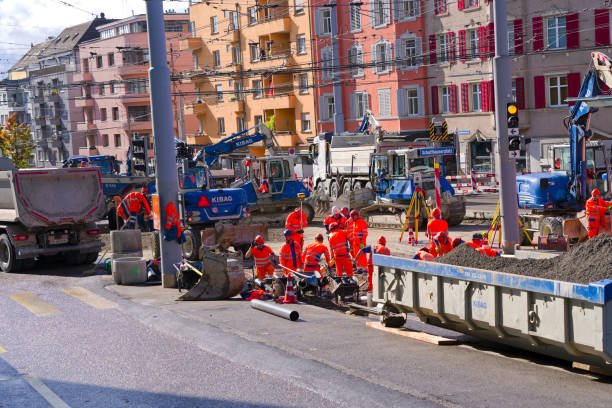
What Are Unskilled Jobs?
Unskilled jobs are roles that do not require advanced education or specialized training. These jobs usually involve manual labor or routine tasks and often provide on-the-job training.
For Africans, these jobs can serve as an entry point into the Swiss labor market. Although they may not require degrees, they still demand hard work, discipline, and sometimes basic language skills.
Why Consider Switzerland?
Before diving into job sectors, let’s look at why Switzerland stands out:
- High wages compared to most countries
- Strong labor laws and worker protection
- Safe and stable environment
- Opportunity to gain European work experience
Even entry-level workers earn significantly more than in many African countries. For example, unskilled workers can earn between CHF 3,800 and CHF 5,000 monthly on average.
Top Unskilled Job Sectors in Switzerland
Now let’s explore the industries where Africans can find opportunities.
1. Hospitality and Tourism
Switzerland is a global tourist destination known for its beautiful mountains, ski resorts, and luxury hotels. As a result, the hospitality sector constantly needs workers.
Common Roles:
- Hotel cleaners
- Housekeeping staff
- Kitchen assistants
- Dishwashers
- Waiters (entry-level)
Salary:
- CHF 2,800 – CHF 4,500 per month
Why It’s Popular:
Hotels and restaurants often hire foreigners, especially during peak tourist seasons. Therefore, this sector offers one of the easiest entry points.
2. Agriculture and Farm Work
Agriculture plays a significant role in Switzerland, especially in rural areas.
Common Roles:
- Fruit pickers
- Vegetable harvesters
- Dairy farm assistants
- Greenhouse workers
Salary:
- CHF 2,600 – CHF 3,500 per month
Key Insight:
Many farm jobs are seasonal (April to October). Additionally, some employers provide accommodation and meals, reducing living expenses.
3. Construction and Manual Labor
The construction industry in Switzerland is always active due to ongoing infrastructure development.
Common Roles:
- Site assistants
- General laborers
- Scaffold helpers
- Material handlers
Salary:
- CHF 3,500 – CHF 5,000 per month
Why It’s Attractive:
This sector often has labor shortages, making it easier to get visa sponsorship compared to others.
4. Cleaning and Maintenance Jobs
Cleaning jobs are widely available across Switzerland in offices, hotels, and public facilities.
Common Roles:
- Office cleaners
- Hotel cleaning staff
- Industrial cleaners
- Janitors
Salary:
- CHF 2,800 – CHF 3,700 per month
Advantage:
These roles usually require little or no experience, making them ideal for first-time migrants.
5. Warehouse and Logistics Jobs
With the rise of e-commerce and logistics companies, this sector is growing rapidly.
Common Roles:
- Pickers and packers
- Parcel sorters
- Warehouse assistants
- Forklift helpers
Salary:
- CHF 3,200 – CHF 4,200 per month
Why It Matters:
These jobs often include overtime pay, increasing your overall earnings.
6. Factory and Production Jobs
Switzerland has a strong manufacturing sector, including food processing and packaging industries.
Common Roles:
- Production line assistants
- Machine helpers
- Packaging staff
Salary:
CHF 3,000 – CHF 4,000 per month
7. Caregiving and Support Roles
Although basic caregiving may not require high qualifications, it does require compassion and patience.
Common Roles:
- Care assistants
- Elderly support workers
Salary:
- CHF 3,200 – CHF 4,200 per month
Important Note:
This sector is growing due to an aging population.
Salary Overview Table
Below is a summary of average monthly salaries:
| Job Sector | Salary (CHF/month) |
|---|---|
| Hospitality | 2,800 – 4,500 |
| Agriculture | 2,600 – 3,500 |
| Construction | 3,500 – 5,000 |
| Cleaning | 2,800 – 3,700 |
| Warehouse/Logistics | 3,200 – 4,200 |
| Factory Work | 3,000 – 4,000 |
| Caregiving | 3,200 – 4,200 |
Overall, Switzerland offers some of the highest wages globally for unskilled workers.
Visa Process for Unskilled Jobs in Switzerland
This is the most important part for Africans.
Unlike some countries, Switzerland has strict immigration rules. Therefore, understanding the visa process is crucial.
Step 1: Secure a Job Offer
First, you must get a job offer from a Swiss employer. Without this, you cannot apply for a work visa.
Step 2: Employer Applies for Work Permit
Your employer must prove that:
- No Swiss or EU citizen can fill the role
- You are suitable for the job
This is a key requirement and makes the process competitive.
Step 3: Work Permit Approval
If approved, you will receive one of the following:
- Short-term permit (L Permit)
- Residence permit (B Permit)
Seasonal permit (for farm jobs)
Step 4: Apply for Visa
Next, you apply for a visa at the Swiss embassy in your country.
Required Documents:
- Valid passport
- Job contract
- Passport photos
- Police clearance
- Medical certificate (if required)
Step 5: Travel and Registration
Once your visa is approved:
- Travel to Switzerland
- Register with local authorities within 14 days
Key Requirements for Africans
To increase your chances, you should:
- Have a valid international passport
- Gain basic work experience
- Learn basic German, French, or Italian
- Be physically fit for manual jobs
- Prepare a simple but professional CV
Challenges You Should Know
While opportunities exist, you must be realistic.
1. Strict Immigration Policies
Switzerland prioritizes EU workers, making it harder for Africans.
2. High Competition
Many people apply for limited positions.
3. High Cost of Living
Although salaries are high, living expenses are also expensive.
Tips to Successfully Get a Job
Here’s how to improve your chances:
- Apply early for seasonal jobs
- Target rural areas with labor shortages
- Use international recruitment agencies
- Learn basic local language skills
- Apply to multiple jobs consistently
Best Cities for Unskilled Jobs
Some locations offer more opportunities:
- Zurich – logistics and hospitality
- Geneva – hotels and cleaning jobs
- Bern – public services
- Rural areas – farming jobs
Final Thoughts
Unskilled jobs in Switzerland offer a powerful opportunity for Africans seeking better income and international exposure. Although the process is not easy, it is achievable with the right strategy and preparation.
The key is to focus on sectors with high demand such as hospitality, construction, agriculture, and logistics. At the same time, understanding the visa process and preparing properly will significantly improve your chances.
In conclusion, Switzerland may be one of the most challenging countries to enter, but it is also one of the most rewarding. If you stay persistent, build the right skills, and apply strategically, you can turn this opportunity into a life-changing experience.
FAQs
1. Can Africans get unskilled jobs in Switzerland?
Yes, but it is difficult. You must secure an employer willing to sponsor your visa.
2. What is the average salary for unskilled workers?
Between CHF 3,000 and CHF 5,000 per month depending on the job.
3. Do I need a degree?
No. Most unskilled jobs do not require higher education.
4. Is visa sponsorship available?
Yes, but only in sectors with labor shortages.
5. Which jobs are easiest to get?
Agriculture, cleaning, hospitality, and construction jobs.
6. Do I need to speak a local language?
Not always, but basic knowledge improves your chances.
7. How long does the visa process take?
It can take several weeks to a few months.
8. Can I move permanently?
Yes, if you secure long-term employment and residence permits.
If you want, I can also help you with:
- A CV tailored for Switzerland
- Websites to apply for these jobs
- Step-by-step application strategy
Just tell me
